
French Speaking Countries: A Comprehensive Guide 2026
French is spoken in 29 countries as an official language across five continents. This article dives into these French-speaking countries, exploring their linguistic and cultural landscapes. Discover where French is central and how it influences communities worldwide.
Key Takeaways
- French is spoken across many countries on different continents, making it a language that connects people through culture, communication and shared global ties.
- Several African nations use French widely in education, government and daily life, helping diverse communities communicate since colonial rule.
- European countries like Belgium, Switzerland and Luxembourg rely on French as an important language for daily communication, travel, work and cultural identity.
- Parts of Asia, including Vietnam and Laos, still use French in education and heritage contexts, reflecting colonial era history.
- Predictions indicate that French could potentially surpass Spanish and Arabic in terms of total speakers.
How Many French-speaking countries are there in the world?
The French language transcends the position of being merely the national language of France because it is a true international language that can be found in no fewer than five continents throughout the globe. It is believed that the total number of French speakers in the world is about 300 million at the present time. Geographical prevalence further ensures the status of the language as one of the official languages of 29 independent states, as well as one of the main languages in many other states.
Countries where French is the official language
These are the countries where the use of French language is official, that is, where it is used in the context of the activities of the government, the administration, and everyday life. Apart from France, which is known as the largest French-speaking nation, the other francophone countries include:
- Monaco
- Senegal
- Mali
- Ivory Coast
- Niger
- Gabon
- Guinea
Countries where French is co-official language
In many nations, French is an official language alongside other languages. Such a situation arises due to historical reasons or a multicultural community.
- Canada: French exists alongside English; its stronghold is in the province of Quebec.
- Belgium: French is among the three languages used in Belgium, along with Dutch and German.
- Switzerland: French is one of the four official languages, and it is spoken in the western part (Romandy).
- Haiti: Along with Haitian Creole, French is the official language.
- Luxembourg: French alongside Luxembourgish and German.
- Cameroon and Madagascar: French alongside the indigenous languages of the country.
Countries where French is widely spoken but not official language
French is one of the primary languages used for educational purposes, communication in the media, and conducting business in many areas of the world, despite not being recognized as an “official language” by their constitutions.
- Maghreb (Algeria, Morocco, and Tunisia): French is the language of business and academia.
- Lebanon: Because of historical and cultural influences, there is a significant French speaking population.
- Vietnam, Laos, and Cambodia: Though no longer used as extensively, French continues to be spoken in diplomatic relations and among the educated classes.
French as an Official Language
With its rich and elegant background, French is an official language in 29 different countries across the globe, indicating the popularity and prominence of the language. There are more than 320 million speakers who use the French language around the world, which indicates that French is a popular and prominent language in the world and is the fourth-most-spoken language in the world. This reflects the significance of the French language globally.
Countries Where French is the Sole Official Language
In these independent nations, French is the sole official language, reflecting its deep-rooted presence across various regions.
| Country | Country | Country |
|---|---|---|
| France | Benin | Guinea |
| Burkina Faso | Ivory Coast (Côte d’Ivoire) | Mali |
| Niger | Senegal | Togo |
| Democratic Republic of the Congo | Republic of the Congo | Gabon |
| Chad | Central African Republic | Djibouti |
| Rwanda* | Monaco | Luxembourg* |
| Madagascar | Comoros | French Guiana (France)** |
Countries with French as a Co-Official Language
In 16 countries, French is recognized as a co-official language, illustrating its cultural and linguistic diversity.
| Country | Country | Country |
|---|---|---|
| Belgium | Canada | Switzerland |
| Cameroon | Haiti | Luxembourg |
| Vanuatu | Burundi | Rwanda |
| Seychelles | Chad | Comoros |
| Djibouti | Madagascar | Mauritius |
| Equatorial Guinea | Central African Republic | Guinea-Bissau* |
| Lebanon* | Tunisia* | Algeria* |
French speaking countries in Europe

French is the official language in five European nations. They make up part of the linguistic variety in Europe. France, where the French language originated, holds a majority of speakers at more than 80%. French has made its way into all aspects of society in France, from government to education.
The following are other European countries where French is an official language:
- Belgium
- Luxembourg
- Switzerland
- Monaco
All of these nations have distinct connections with the French language, making up the diverse Francophone world of Europe. In Switzerland, which is officially quadrilingual, French makes up one of the four languages enjoying an official status.French language, contributing to the rich tapestry of European Francophonie. In multilingual Switzerland, for example, French is one of four official languages, spoken language predominantly in the western regions.
French speaking countries in Africa

It is known that there are 21 francophone nations in Africa, which makes it the continent with the most French-speaking nations. It can be attributed to the fact that there was a great influence on Francophone Africa as a result of the French colonization, which affected states such as Senegal, Ivory Coast, and Congos. Furthermore, there are several cities in Africa whose population uses French; for instance, in Kinshasa, the capital of DR Congo, over 48 million people speak French. Besides, there are numerous other African countries with French-speaking inhabitants.
As for African French, it has been formed through the incorporation of elements of indigenous languages into French vocabulary and grammar and, therefore, has specific dialects. For instance, there is an Ivorian French, characterized by the use of native words and phonetics in it. There are also promising expectations regarding the future of French in Africa because the number of French-speaking people is predicted to grow greatly.
French is not only used in conversations but also in schools, government institutions, and mass media, so the future of France in Africa is bright.
French speaking countries and cities in North America
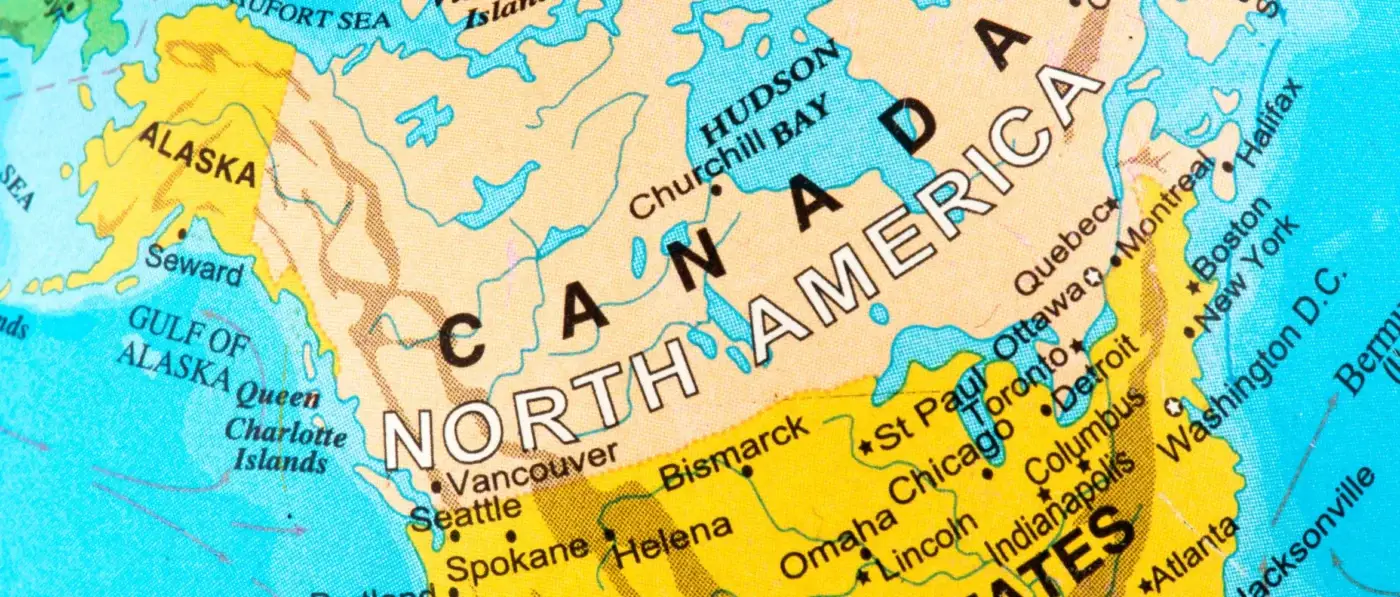
Canada and Haiti can be described as the most prominent French-speaking nations in North America. French is one of the two official languages of Canada, alongside English. In Canada:
- There are about 7.3 million speakers of French language.
- About 22.8% of the total population use French as their mother tongue.
It should be noted that Quebec is one of the prominent regions where about 95% of the population speaks French; hence, the territory can be regarded as a pillar of Francophone community in North America and an important area for French speakers.
In New Brunswick, 42% of its population speak French language. In addition, French influences other regions including Louisiana and Maine, where the language is used in education and governmental sphere, although it is not the official language of those territories. There are unique dialects, namely Chiac and Louisiana French, in these regions.
In Haiti, there is the only Caribbean country where French is the official language.
French speaking countries in South America and the Caribbean

French-speaking regions in South America and the Caribbean are those where French is the official language. French is a language that is commonly used in South America and the Caribbean, due to the influence of local languages, including the Haitian Creole language. This Creole language has a distinctive tone, with the French language mixed with other languages from Africa and indigenous cultures.
French-speaking territories in the Caribbean include Martinique and Guadeloupe, where French creoles are popular. These territories depict the impact of French colonization in these territories of the former French colonies.
French Speaking Countries in Asia

French language and culture have gained prominence in Asia and Oceania, due to reasons like historic connections, education, and culture exchange programs. French Polynesia is one of the overseas territories of France located in South Pacific region. French is its official language while its culture is a fusion of French and Polynesian culture.
This language and culture have impacted many places including Vietnam, Laos, and Cambodia because French ruled the region from the late nineteenth century to the mid-twentieth century. During this period, French language and culture had been imposed on the native inhabitants of Vietnam, Laos, and Cambodia. This resulted in making French language the official language for education and administration in the region.
French language had a strong impact on the languages spoken in Vietnam, Laos, and Cambodia. Also, French influence can be observed in cuisines of these countries, especially the ones which use French cooking methods or French ingredients.
French Dialects Around the World
The French language is not monolithic; it comprises various dialects that reflect cultural and historical influences. Canada boasts five regional dialects of French:
- Acadian French
- Chiac
- Newfoundland French
- Quebec French
- Ontario French
These dialects possess a wider range of vowel phonemes and a softer pronunciation than French in Europe. Canadian French includes notable grammatical differences from Standard French, such as the use of informal pronouns.
In the Caribbean, the Haitian dialect of French has a distinct tone and slang different from those in conventional French. Similarly, in Africa, the French language has adapted itself in a unique way with respect to regional conditions, giving rise to many dialects vastly different from French spoken in France.
Another interesting dialect of French is Swiss French, which is quite similar to Parisian French except for some slight variations in vocabulary.
Top 10 French Speaking Countries
It should be noted that ranking countries based on their numbers of French speakers is a rather rough business because there are different degrees of mastery of the language, from those who speak French as a mother tongue or the first language to those for whom French serves as an administrative language only and thus, a second language. Nevertheless, the information provided by OIF shows an obvious tendency: Africa occupies the leading positions among them.
The list of the ten most populous countries with most French speakers is given below:
| Country | French Speakers(Millions) | Total Population(Millions) |
|---|---|---|
| France | 66.0 | 68.0 |
| DR Congo | 48.9 | 102.0 |
| Algeria | 15.0 | 45.0 |
| Morocco | 13.5 | 37.8 |
| Germany | 12.3 | 83.2 |
| Italy | 11.8 | 58.9 |
| Ivory Coast | 9.3 | 28.1 |
| Belgium | 8.8 | 11.7 |
| Canada | 8.7 | 38.9 |
| Madagascar | 7.7 | 29.6 |
It is clear from the above that, although France may be the center of culture, countries such as DR Congo are set to become the largest centers of French speakers.
How did French become a Global Language?
It’s worth noting that the adoption of French language as a globally accepted language has been shaped by various factors. Between the 17th and 19th centuries, France was the center of European power. Therefore, it’s language was influenced greatly by the country’s position.
French Cultural Prestige and Diplomacy
From the time of King Louis XIV onwards, French became a language spoken by all European aristocrats and the “Republic of Letters.” France dominated other nations in philosophy, sciences, and arts. As a result, speaking French was synonymous with being an educated person. Due to cultural dominance, the French language became a diplomatic language. It was used in writing various treaties, such as the Treaty of Versailles.
Colonial Expansion
The expansion of French geographically reached its height during the colonial period of France. French expanded in North America and the Caribbean during the 17th century. Then, in the 19th century, a second wave of expansion saw the establishment of French throughout vast expanses of land in Africa and Southeast Asia. In these regions, French was made an official language for use in administration and educational settings. Even in the post-colonial era, French remained an official language due to its utility as a lingua franca among different ethnic communities.
A Pillar of International Organizations
The legacy of French is manifested in its contemporary standing as part of international governance. It continues to be among the few languages employed regularly to manage some of the most powerful organizations on Earth. French is an official or working language of:
- The United Nations (UN)
- The European Union (EU)
- The International Olympic Committee (IOC)
- The World Trade Organization (WTO)
- The North Atlantic Treaty Organization (NATO)
Learning about this background makes it clear that French is not merely a dead language; it is a living, breathing one that has a promising future ahead. If you want to take advantage of this vast network of French speakers around the world, then La Forêt French Class can give you an immersive learning experience to help you navigate these intricacies.
The Future of the French Language
There is definitely a good future for French, especially in the emerging French-speaking nations of Africa. This is due to the fact that significant populations of these nations are likely to double and even triple, thus leading to an increase in the number of French speakers globally, thereby improving the impact of the French-speaking world internationally.
There is a likelihood that French may eventually be more widely spoken than both Arabic and Spanish. In fact, by 2065, there will be about one billion French speakers across the globe.
Frequently Asked Questions
1. How many countries recognize French as an official language?
Ans: The number of countries in which French is considered an official language is 29. This makes French a very widespread language!
2. Which country in the Caribbean has French as its official language?
Ans: Haiti is the only Caribbean nation where French is spoken officially. It is a distinctive feature of Haitian culture!
3. How many people worldwide speak French?
Ans: There are approximately 321 million French speakers worldwide. What a universal language it is!
4. What are some unique French dialects in Canada?
Ans: Canadian French has a variety of dialects including Acadian French, Chiac, Newfoundland French, Quebec French, and Ontario French. The variety is what makes French so rich and colorful!
5. What is the future outlook for the French language?
Ans: The future is bright for the French language, particularly considering predictions that there will be more than one billion people speaking French by 2065, owing largely to developments in Africa. What a promising future for French!
6. Why do some African countries speak French?
Ans: The French presence in Africa is largely attributed to the colonial activities that took place during the nineteenth century. Various countries continued using French after achieving independence because it would help them to create a unified country with diverse ethnicities.
7. Which countries speak French as an official language?
Ans: The French language is used as an official language in 29 countries worldwide. These include European countries such as France and Switzerland, several African countries like Senegal and DR Congo, Canada, Haiti, and Vanuatu among others.