70+ Essential French Cooking Terms You Must Know

French cuisine has shaped palates and cooking techniques worldwide. Understanding French culinary terms is essential, whether you’re an amateur enthusiast aiming to impress dinner guests or a professional chef seeking culinary perfection.
Key Takeaways
- Learn the basics such as blanchir (scald briefly), bouquet garni (herb bundle), & mise en place (prep everything first) for smooth recipes.
- Know the cutting skills such as julienne (thin strips), brunoise (fine dice), hacher (chop coarsely), & râper (grate).
- You can learn the cooking methods such as braiser (slow simmer), flambé (flame with alcohol), pocher (gentle poach), & rôtir (roast dry).
- Know the sauces start with béchamel (creamy white), roux (flour-fat base), velouté (light stock sauce), & demi-glace (rich brown reduction).
- Learn more Fun phrases such as au jus (with natural juices), au gratin (cheese-crumb topped), or c’est du gâteau! (it’s a piece of cake!).
Understanding the Basics
Why Learn French Cooking Terms?
You see, French cuisine is more than just food. Its roots trace back centuries, evolving from the simple fare of peasants to the refined elegance of royal courts. The French Revolution democratized food, spreading culinary knowledge and techniques far and wide. Chefs from diverse backgrounds incorporate French techniques and flavors into their cooking. Therefore, understanding these terms is not merely about language; it’s about unlocking a world of culinary possibilities and paying homage to a tradition that continues to inspire.
Common French Cooking Terms
| French Cooking Term | English Meaning | Explanation |
|---|---|---|
| Blanchir | To scald | A cooking method where food is briefly cooked in boiling water then plunged into ice water. |
| Bouquet garni | Mixed herbs | A bundle of herbs (like thyme, bay leaf, and parsley) tied together for flavoring soups, stews, and sauces. |
| Concasser | To crush/ grind | A technique where tomatoes are peeled, seeded, and chopped. |
| Déglacer | To make sauce | Adding liquid to a hot pan to dissolve browned bits stuck to the bottom, creating a flavorful sauce base. |
| Julienne | Thin strips | A cutting technique where vegetables are cut into long, thin matchsticks. |
| Jus de viande | Meat juice | A clear, flavorful sauce made from meat drippings. |
| Mise en place | Everything in its place | This refers to preparing all ingredients and equipment before starting a recipe. |
| Réduire | To boil down | A cooking technique where a liquid is simmered to concentrate its flavor and thicken its consistency. |
| Roux | A mixture of flour and fat | A base for many sauces, created by cooking flour and butter together until golden brown. |
| Sauter | Stir-fry | A cooking method where food is cooked quickly over high heat in a small amount of fat. |
Ingredients and Measurements
Ingredients
| French Ingredient Name | English Meaning | Explanation |
|---|---|---|
| Fines herbes | Herb mixture | A blend of fresh herbs, typically parsley, chives, tarragon, and chervil, finely chopped. |
| Beurre blanc | White butter sauce | A rich, creamy sauce made from shallots, white wine, and butter. |
| Crème fraîche | Fresh cream | A thick, rich cream with a slightly tart flavor. |
Measurements
| French Measurement Term | English Meaning |
|---|---|
| Grammes | Grams |
| Millilitres | Millilitres |
| Litres | Liters |
| Cuillère à café | Teaspoon |
| Cuillère à soupe | Tablespoon |
Vocab Giving You Trouble? Let’s Fix It!
Join our classes and let our teachers guide you to build a vocabulary that sticks!
Cooking Techniques and Methods Unveiled
Preparation Techniques
| French Preparation Technique | English Meaning | Explanation |
|---|---|---|
| Brunoise | Chopped in cubes | A fine dice, typically used for vegetables like onions, carrots, and celery. |
| Caramélisation | Turn something into a sugar syrup | The process of heating sugar until it turns brown and develops a caramel flavor. |
| Ciseler | To mince | Finely chopping food into very small pieces. |
| Confire | To preserve in sugar, alcohol or some other liquid | Cooking meat slowly in its own fat at a low temperature until tender. |
| Hacher | To chop | Coarsely cutting food into irregular pieces. |
| Macaronage | Refers to the specific technique of mixing almond flour, sugar, and egg whites for macarons | incorporating the dry ingredients (almond flour & powdered sugar) with the meringue and folding them together before piping the shells. |
| Désossage | To debone | The art of boning meat or poultry completely, leaving a boneless carcass intact. |
| Râper | To grate | Cutting food into long, thin strips, often using a grater. |
| Trancher | To slice | Cutting food into thin, flat pieces. |
| Zester | To zest | Removing the outer colored layer of citrus fruits for flavor. |
Cooking Methods
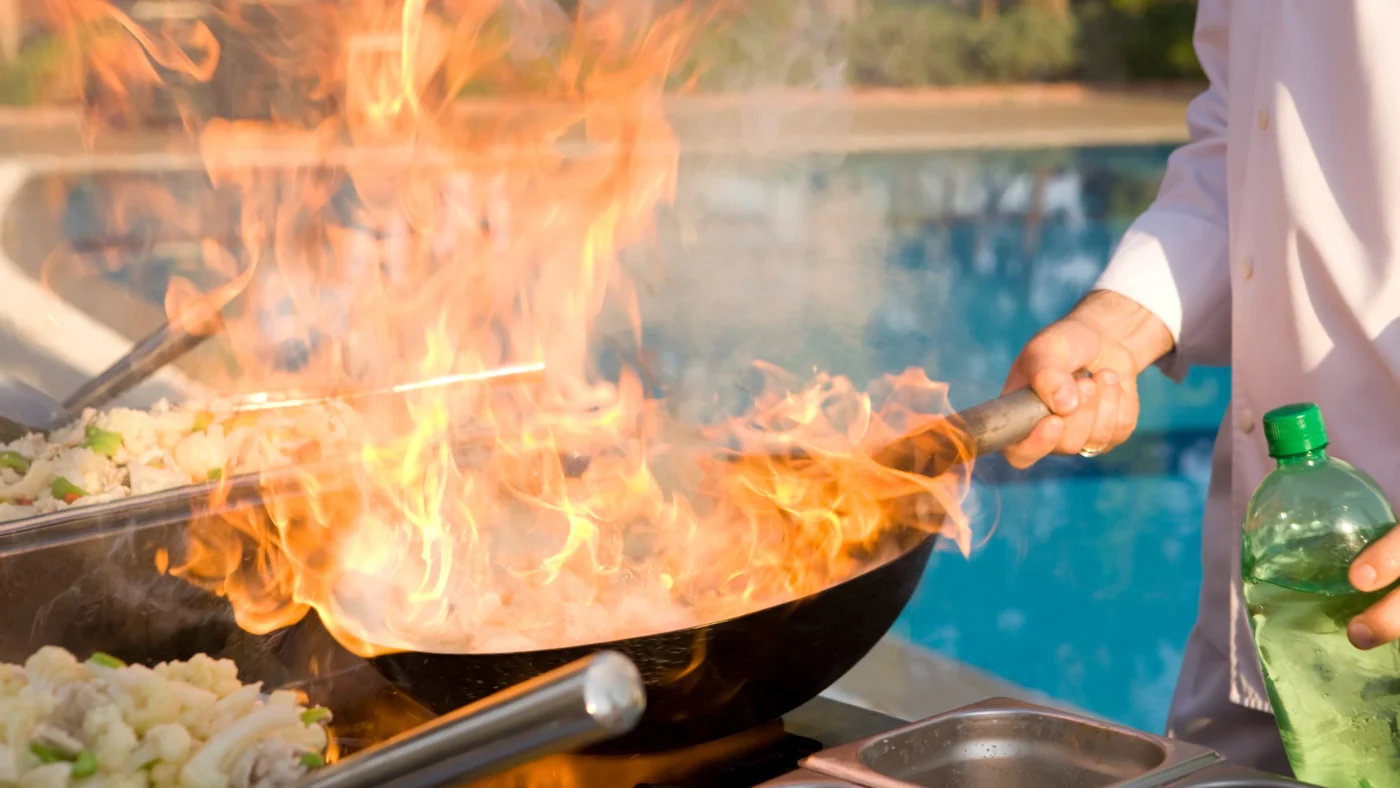
French cuisine is renowned for its refined techniques, which contribute to the creation of exquisite dishes. Here are ten fundamental methods:
| French Cooking Method | English Meaning | Explanation |
|---|---|---|
| Braiser | To simmer | A slow-cooking method that involves searing meat or vegetables, then simmering them in liquid until tender. |
| Cuire à la vapeur | To steam | Cooking food by exposing it to steam, retaining nutrients and flavor. |
| Doré | To brown | Browning food in a pan with a small amount of fat. |
| Flambé | Burnt | Adding alcohol to a dish and igniting it for flavor. |
| Frire | To fry | Submerging food in hot oil or fat to cook it. |
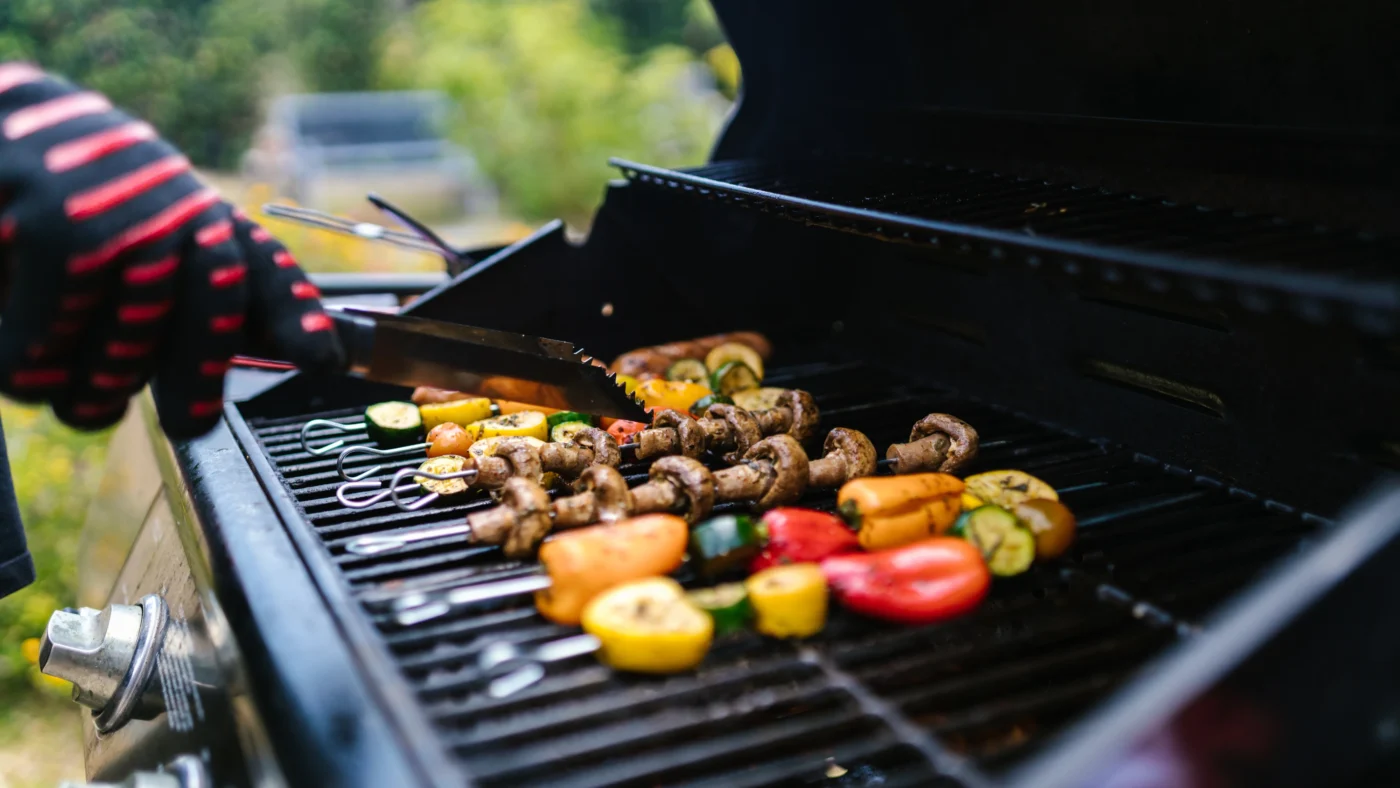
| Griller | To grill | Cooking food over direct heat, resulting in a charred exterior and flavorful interior. |
| Pinçage | Pinching | A technique in poultry preparation where the skin is carefully pinched to remove excess fat, resulting in crispier skin. |
| Pocher | To poach | Gently cooking food in a liquid held at a temperature just below boiling point. |
| Rôtir | To roast | Cooking food in an oven with dry heat, often with added herbs and spices. |
| Sauter à la poêle | Pan-frying | Similar to sautéing but using more fat and lower heat, creating a crispy exterior. |
Baking Terms
- Pâte brisée : Shortcrust pastry
- Pâte feuilletée : Puff pastry/ Flaky pastry
- Pate levage : Proofing the bread
- Bain-marie : Water bath
- Crème pâtissière : Pastry cream
- Choux pastry : A light pastry dough used for éclairs and profiteroles
- Croquembouche : A towering pastry of cream-filled profiteroles
- Glaçage : Icing
- Coulis : A fruit purée or sauce
- Sablé : A shortbread-like cookie
Advanced French Culinary Vocabulary
Sauces and Stocks
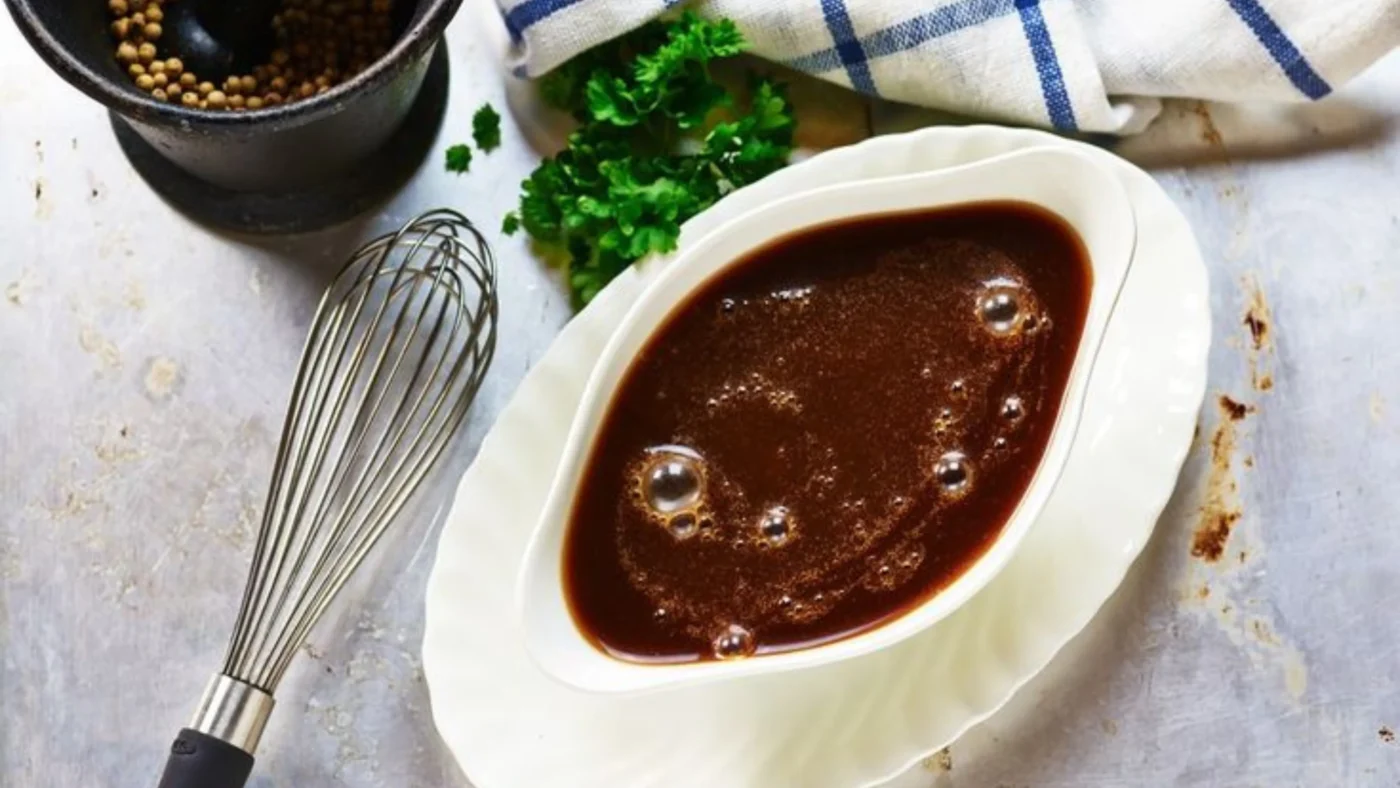
Here we have compiled a list of 10 of the essential sauces and stocks in French cuisine to guide you better through those French cookbooks!
| French Sauces & Stocks | C’est quoi? | Usage |
|---|---|---|
| Béchamel | A creamy white sauce made with milk and roux (butter and flour). | Base for many other sauces like Mornay (cheese), Soubise (onion), and Nantua (crayfish). |
| Consommé | A clear, flavorful broth made from meat or vegetables, clarified to remove impurities. | Served as a first course or as a base for other soups. |
| Demi-glace | A concentrated, intensely flavored brown sauce made by reducing espagnole. | A key ingredient in many rich sauces and gravies. |
| Espagnole | A rich, brown sauce made with brown stock (usually beef), roux, and vegetables. | Base for many brown sauces. |
| Fond de veau | Veal stock | Base for many rich sauces and gravies. |
| Fumet de poisson | Fish stock, made from fish bones, vegetables & white wine. | Base for many fish-based sauces and soups. |
| Hollandaise | A rich, emulsified sauce made from egg yolks, clarified butter, and lemon juice. | Typically served with vegetables, fish, and eggs. |
| Velouté | A light, smooth sauce made with a white stock (chicken, veal, or fish) and roux. | Base for sauces for fish dishes. |
| Vin blanc | White wine | Often used to deglaze pans and add acidity to sauces. |
| Vin rouge | Red wine | Used to deglaze pans and add depth of flavor to sauces. |
Plating and Presentation
- Dressage : The art of arranging food on a plate for aesthetic appeal.
- Flambage : To ignite alcohol poured over food for dramatic effect and flavor.
- Finissage : The final touches to a plate.
- Garniture : This refers to any decorative or edible item added to a dish for flavor or presentation.
- Marinage : The process of soaking food in a liquid to absorb flavor.
- Mirepoix : A classic combination of carrots, onions, and celery.
- Miroir : A thin layer of sauce or glaze on a plate.
- Nappage : A glossy sauce poured over a dish for presentation.
- Quenelle : An oval-shaped dumpling or mound of food, often made from fish, meat, or vegetables.
- Tourné : A specific cutting technique that produces seven-sided vegetables.
French Culinary Phrases
| French Culinary Phrase | English Meaning |
|---|---|
| À la minute | Cooked to order, immediately before serving. |
| Au four | Cooked in the oven. |
| Au gratin | Topped with breadcrumbs and cheese, then browned. |
| Au jus | Served with its own natural juices. |
| C’est du gâteau! | Used to say something is easy. |
| En cocotte | Cooked in a covered earthenware pot. |
| En papillote | Cooked in parchment paper, often with other ingredients, to create a flavorful packet. |
| Je pourrais manger un curé frotté d’ail! | Used to signify that one is very hungry. |
Conclusion
French culinary terms are the secret sauce to elevating your cooking game. By understanding the language of the kitchen, you’re not just following recipes; you’re crafting culinary masterpieces! Bon appétit to your linguistic journey in the world of French cuisine!
Explore and enjoy the French Cooking Vocabulary, and don’t forget to check out our other blogs about France and the French language.
Next, check our article on French Desserts to learn all about cheeses in France.
Frequently Asked Questions
Q1. What is a French menu called?
Ans: A French menu is typically called la carte. This refers to a menu where you choose individual dishes and pay for each separately. There’s also le menu which refers to a set menu with a fixed price for multiple courses.
Q2. What is France’s main dish?
Ans: There isn’t a single “main dish” for all of France. The country is known for its regional diversity, and each region has its specialties. However, some classic French dishes, like Coq au vin, Bouillabaisse, Cassoulet, are enjoyed nationwide!